Dan Caird

Mortgage Agent, Level 2

Sound mortgage advice and fantastic mortgage rates, simply guaranteed. Let me guide you through the mortgage process. 

Mortgage financing can be frustrating. It doesn’t have to be when you follow my simple 3-step plan.

Get started right away

The best place to start is to connect with me directly. The mortgage process is personal. My commitment is to listen to all your needs, assess your financial situation, and provide you with a clear plan forward.

Get a clear plan

Sorting through all the different mortgage lenders, rates, terms, and features can be overwhelming. Let me cut through the noise, I'll outline the best mortgage products available, with your needs in mind.

Let me handle the details

When it comes time to arrange your mortgage, I have the experience to bring it together. I'll make sure you know exactly where you stand at all times. No surprises. I've got you covered.

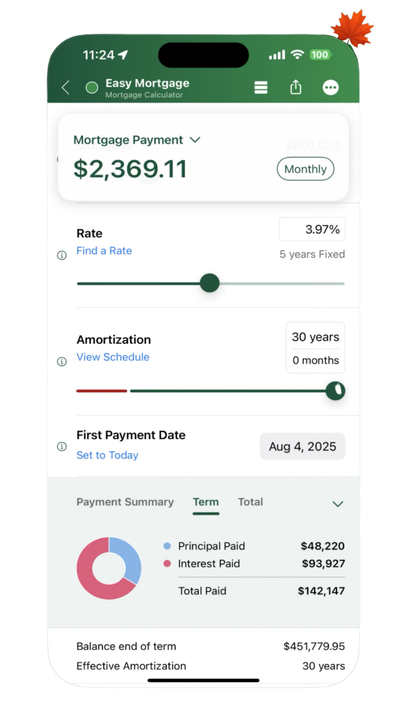
Download My Mortgage App

What you can do with my app
  • Calculate your total cost of owning a home
  • Estimate the minimum down payment you need
  • Calculate Land transfer taxes and the available rebates
  • Calculate the maximum loan you can borrow
  • Stress test your mortgage
  • Estimate your Closing costs
  • Compare your options side by side
  • Search for the best mortgage rates
  • Email Summary reports (PDF)
  • Use my app in English, French, Spanish, Hindi, and Chinese

Scan the QR code below or click download app

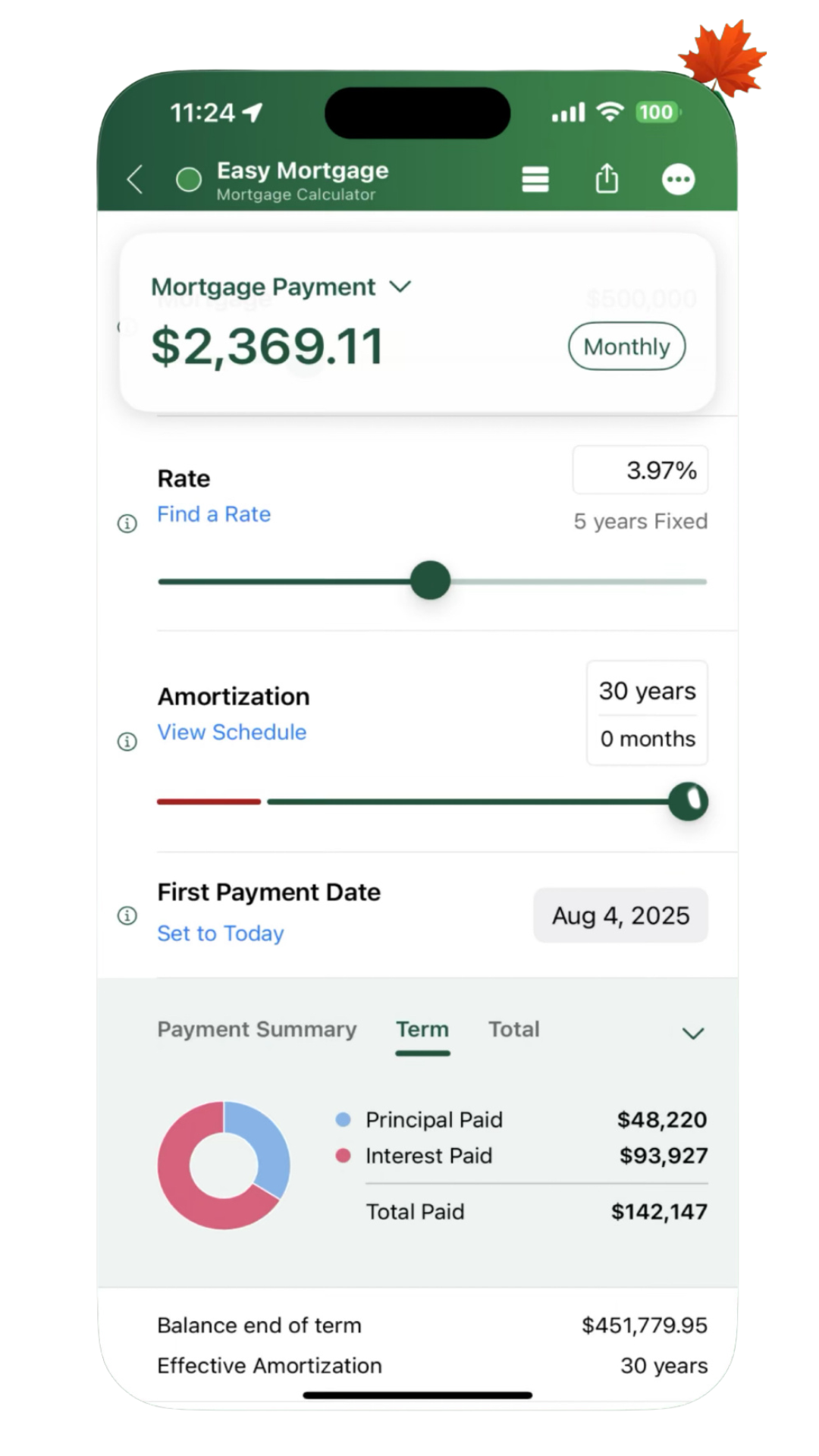
Download My Mortgage App

What you can do with my app
  • Calculate your total cost of owning a home
  • Estimate the minimum down payment you need
  • Calculate Land transfer taxes and the available rebates
  • Calculate the maximum loan you can borrow
  • Stress test your mortgage
  • Estimate your Closing costs
  • Compare your options side by side
  • Search for the best mortgage rates
  • Email Summary reports (PDF)
  • Use my app in English, French, Spanish, Hindi, and Chinese

Scan the QR code below or click download app

I'm happy to provide you with a wide range of Commercial Mortgage financing options.

Let's Get Started

For Multi family residential, construction financing, owner occupied and investment commercial property lending solutions, I've got you covered. 

Working with clients all throughout the GTA and Durham Region, I have access to world class products and some of the most competitive mortgage rates across Canada! Let me help take the stress out of homeownership.


Answers to your questions are just a phone call or email away!


Looking For Commercial Financing?


Purchasing or refinancing a commercial property requires a different approach than residential financing. Whether you're buying office, retail, industrial, or multi-unit property, we help you navigate lender requirements, structure the deal properly, and secure competitive terms.


From owner-occupied spaces to investment properties, we’ll guide you through the process and align your financing with your long-term business goals.

Let’s discuss your project and build the right strategy.

MEMBER OF THE CANADIAN MORTGAGE BROKERS ASSOCIATION.


CMBA provides Canada’s provincial mortgage broker associations with a forum to work cooperatively, better share resources, programs, and information and coordinate engagement of provincial association members to identify trends and develop solutions to common industry and regulatory issues.


I have developed excellent relationships with lenders across

the country, when you work with me, you have choices. 

Apply Now

Mortgage Articles

By Dan Caird February 25, 2026
Your Guide to Real Estate Investment in Canada Real estate has long been one of the most popular ways Canadians build wealth. Whether you’re purchasing your first rental property or expanding an existing portfolio, understanding how real estate investment works in Canada—and how it’s financed—is key to making smart decisions. This guide walks through the fundamentals you need to know before getting started. Why Canadians Invest in Real Estate Real estate offers several potential benefits as an investment: Long-term appreciation of property value Rental income that can support cash flow Leverage , allowing you to invest using borrowed funds Tangible asset with intrinsic value Portfolio diversification beyond stocks and bonds When structured properly, real estate can support both income and long-term net worth growth. Types of Real Estate Investments Investors typically focus on one or more of the following: Long-term residential rentals Short-term or vacation rentals (subject to local regulations) Multi-unit residential properties Pre-construction or assignment purchases Value-add properties that require renovations Each type comes with different financing rules, risks, and return profiles. Down Payment Requirements for Investment Properties In Canada, investment properties generally require higher down payments than owner-occupied homes. Typical minimums include: 20% down payment for most rental properties Higher down payments may be required depending on: Number of units Property type Borrower profile Lender guidelines Down payment source, income stability, and credit history all play a role in approval. How Rental Income Is Used to Qualify Lenders don’t always count 100% of rental income. Depending on the lender and mortgage product, they may: Use a rental income offset , or Include a percentage of rental income toward qualification Understanding how income is treated can significantly impact borrowing power. Financing Options for Investors Investment financing can include: Conventional mortgages Insured or insurable options (in limited scenarios) Alternative or broker-only lenders Refinancing equity from existing properties Purchase plus improvements for value-add projects Access to multiple lenders is often crucial for investors as portfolios grow. Key Costs Investors Should Plan For Beyond the purchase price, investors should budget for: Property taxes Insurance Maintenance and repairs Vacancy periods Property management fees (if applicable) Legal and closing costs A realistic cash-flow analysis is essential before buying. Risk Considerations Like any investment, real estate carries risk. Key factors to consider include: Interest rate changes Market fluctuations Tenant turnover Regulatory changes Liquidity (real estate is not easily sold quickly) A strong financing structure can help manage many of these risks. The Role of a Mortgage Professional Investment mortgages are rarely “one-size-fits-all.” Lender policies vary widely, especially as you acquire more properties. Working with an independent mortgage professional allows you to: Compare multiple lender strategies Structure financing for long-term growth Preserve flexibility as your portfolio evolves Avoid costly mistakes early on Final Thoughts Real estate investment in Canada can be a powerful wealth-building tool when approached with a clear strategy and proper financing. Whether you’re exploring your first rental property or planning your next acquisition, understanding the numbers—and the lending landscape—matters. If you’d like to discuss investment property financing, run the numbers, or explore your options, feel free to connect. A well-planned mortgage strategy can make all the difference in long-term success.
By Dan Caird February 18, 2026
Alternative Lending in Canada: What It Is and When It Makes Sense Not everyone fits into the traditional lending box—and that’s where alternative mortgage lenders come in. Alternative lending refers to any mortgage solution that falls outside of the typical big bank offerings. These lenders are flexible, creative, and focused on helping Canadians who may not qualify for traditional financing still access the real estate market. Let’s explore when alternative lending might be the right fit for you. 1. You Have Damaged Credit Bad credit doesn’t have to mean your homeownership dreams are over. Many alternative lenders take a big-picture approach . While credit scores matter, they’ll also look at: Stable employment Consistent income Size of your down payment or existing equity If your credit has taken a hit but you can demonstrate strong income and savings—or have a solid explanation for past credit issues— an alternative lender may approve your mortgage when a bank won’t. Pro tip: Use an alternative mortgage as a short-term solution while you rebuild your credit, then refinance into a traditional mortgage with better terms down the line. 2. You're Self-Employed Being your own boss has its perks—but mortgage approval isn’t usually one of them. Traditional lenders require verifiable, consistent income—often two years’ worth. But self-employed Canadians typically write off significant expenses, reducing their declared income. Alternative lenders are more flexible and understanding of self-employed income structures. If your business is profitable and your personal finances are healthy, you may qualify even with lower stated income. Even if interest rates are slightly higher, this option is often worth it—especially when balanced against tax planning and business deductions . 3. You Earn Non-Traditional Income Today’s income sources aren’t always conventional. If you earn through: Airbnb rentals Tips and gratuities Rideshare or delivery apps (like Uber or Uber Eats) Commissions or contracts You might face challenges with traditional lenders. Alternative lenders are often more willing to work with these non-standard income streams , especially if the rest of your mortgage application is strong. Some will consider a shorter income history or evaluate your average earnings in a more flexible way. 4. You Need Expanded Debt-Service Ratios Canada’s mortgage stress test has made it harder for many borrowers to qualify with big banks. Alternative lenders can offer more generous debt-service ratio limits —meaning you might be able to qualify for a larger mortgage or a more suitable home, especially in competitive markets. While traditional GDS/TDS limits typically sit at 35/42 or 39/44 (depending on your credit), some alternative lenders will go higher, especially if: You have a larger down payment Your loan-to-value ratio is lower Your overall financial profile is strong It’s not a free-for-all—but it’s more flexible than bank lending. So, Is Alternative Lending Right for You? Alternative lending is designed to offer solutions when life doesn’t fit the traditional mold . Whether you're rebuilding credit, running your own business, or earning income in new ways, this path could help you get into a home sooner—or keep your current one. And here’s the key: You can only access alternative lenders through the mortgage broker channel . Let’s Explore Your Options Not sure where you fit? That’s okay. Every mortgage story is unique—and I’m here to help you write yours. If you’re curious about alternative mortgage products, want a second opinion, or need help getting approved, let’s talk . I’d be happy to help you explore the best solution for your situation. Reach out anytime. It would be a pleasure to work with you.
By Dan Caird February 11, 2026
Why Work With an Independent Mortgage Professional? If you’re in the market for a mortgage, here’s the most important thing to know: Working with an independent mortgage professional can save you money and provide better options than dealing directly with a single bank. If that’s all you read—great! But if you’d like to understand why that statement is true, keep reading. The Best Mortgage Isn’t Just About the Lowest Rate It’s easy to fall for slick marketing that promotes ultra-low mortgage rates. But the lowest rate doesn’t always mean the lowest cost . The best mortgage is the one that costs you the least amount of money over time —not just the one with the flashiest headline rate. Things like: Prepayment penalties Portability Flexibility to refinance Amortization structure Fixed vs. variable terms …can all affect the true cost of your mortgage. An independent mortgage professional looks beyond the rate. They’ll help you find a product that fits your unique financial situation , long-term goals, and lifestyle—so you’re not hit with expensive surprises down the road. Save Time (and Your Sanity) Applying for a mortgage can be complicated. Every lender has different rules, documents, and policies—and trying to navigate them all on your own can be time-consuming and frustrating. When you work with an independent mortgage professional: You fill out one application They shop that application across multiple lenders You get expert advice tailored to your needs This means less paperwork , less stress , and more confidence in your options. Get Unbiased Advice That Puts You First Bank specialists work for the bank. Their job is to sell you that bank’s mortgage products—whether or not it’s the best deal for you. Independent mortgage professionals work for you. They’re provincially licensed, and their job is to help you: Compare multiple lenders Understand the fine print Make informed, long-term financial decisions And the best part? Their services are typically free to you . Mortgage professionals are paid a standardized fee by the lender when a mortgage is placed—so you get expert guidance without any out-of-pocket cost. Access More Mortgage Options When you go to your bank, you’re limited to that bank’s mortgage products. When you go to an independent mortgage professional, you get access to: Major banks Credit unions Monoline lenders (who only offer mortgages) Alternative and private lenders (if needed) That’s far more choice , and a much better chance of finding a mortgage that truly fits your needs and goals. The Bottom Line If you want to: Save money over the life of your mortgage Save time by avoiding unnecessary back-and-forth Access more lenders and products Get honest, client-first advice …then working with an independent mortgage professional is one of the smartest decisions you can make. Let’s Make a Plan That Works for You If you're ready to talk about mortgage financing—or just want to explore your options—I'm here to help. Let's connect and put together a strategy that makes sense for your goals and your future. Reach out anytime. I’d be happy to help.
By Dan Caird February 4, 2026
Buying a Home? Follow These 6 Key Steps for a Smooth Experience Buying a home is likely one of the biggest financial decisions you’ll ever make. It’s exciting—but it can also be overwhelming, especially when it comes to understanding how mortgage financing works. To help make the process smoother (and far less stressful), here are six essential steps every homebuyer should follow: 1. Start With a Mortgage Professional—Not MLS It’s tempting to start your home search by scrolling through listings and booking showings—but the real first step should be speaking with an independent mortgage professional . Unlike a bank that offers only one set of products, an independent mortgage expert has access to multiple lenders and options . That means better advice, better rates, and a better chance of finding a mortgage that truly fits your needs. 2. Build a Personalized Mortgage Plan Unless you’re buying your home with cash, you’ll need a solid financing strategy. That means: Reviewing your credit score Running affordability calculations Exploring different mortgage types, terms, and features Understanding down payments and closing costs The sooner you start planning, the more confident you’ll feel. Don’t wait until you’ve found the “perfect” property— get ahead of the process now . 3. Figure Out What You Can Actually Afford What a lender says you can borrow doesn’t always match what you can comfortably pay each month. Take a close look at your budget, lifestyle, and spending habits. Think about how your mortgage payments, property taxes, utilities, and other costs will fit into your everyday cash flow. Avoid the stress of being house-poor by knowing your real-life affordability , not just your paper pre-approval. 4. Get Pre-Approved the Right Way A true mortgage pre-approval isn’t just entering numbers into an online calculator. It means: Completing a mortgage application Submitting all your required documentation Having a mortgage professional fully assess your file When you’re officially pre-approved, you’ll shop for homes with confidence , knowing what you qualify for and that you’re financially ready. 5. Submit Your Documents Promptly and Stay Flexible Once you find a property and your offer is accepted, time is of the essence. That’s when all the upfront work you’ve done really pays off. Be ready to: Provide additional documentation if requested Respond to your mortgage professional quickly Stay flexible and proactive throughout the approval process Your lender needs to verify everything before finalizing the loan, so staying organized is key. 6. Don’t Make Big Financial Changes Before Closing Once you’ve secured financing and waived your conditions, freeze your finances until after you get the keys. Seriously—don’t: Change jobs Apply for new credit Take out a loan Make a large withdrawal Even small changes can throw off your approval. Keep everything status quo until you officially take possession. Recap: 6 Steps to a Smooth Home Purchase Connect with an independent mortgage professional Create a mortgage plan early Know what you can afford (not just what you qualify for) Get fully pre-approved Stay on top of documentation Avoid major financial changes before possession Ready to Buy with Confidence? If you’re thinking about buying a home—or just want to know what’s possible—let’s talk. I’ll help you map out a personalized plan that makes your homebuying journey feel simple, strategic, and stress-free. Reach out anytime. I’d love to help you get started.
By Dan Caird January 28, 2026
Bank of Canada maintains policy rate at 2¼%. FOR IMMEDIATE RELEASE Media Relations Ottawa, Ontario January 28, 2026 The Bank of Canada today held its target for the overnight rate at 2.25%, with the Bank Rate at 2.5% and the deposit rate at 2.20%. The outlook for the global and Canadian economies is little changed relative to the projection in the October Monetary Policy Report (MPR). However, the outlook is vulnerable to unpredictable US trade policies and geopolitical risks. Economic growth in the United States continues to outpace expectations and is projected to remain solid, driven by AI-related investment and consumer spending. Tariffs are pushing up US inflation, although their effect is expected to fade gradually later this year. In the euro area, growth has been supported by activity in service sectors and will get additional support from fiscal policy. China’s GDP growth is expected to slow gradually, as weakening domestic demand offsets strength in exports. Overall, the Bank expects global growth to average about 3% over the projection horizon. Global financial conditions have remained accommodative overall. Recent weakness in the US dollar has pushed the Canadian dollar above 72 cents, roughly where it had been since the October MPR. Oil prices have been fluctuating in response to geopolitical events and, going forward, are assumed to be slightly below the levels in the October report. US trade restrictions and uncertainty continue to disrupt growth in Canada. After a strong third quarter, GDP growth in the fourth quarter likely stalled. Exports continue to be buffeted by US tariffs, while domestic demand appears to be picking up. Employment has risen in recent months. Still, the unemployment rate remains elevated at 6.8% and relatively few businesses say they plan to hire more workers. Economic growth is projected to be modest in the near term as population growth slows and Canada adjusts to US protectionism. In the projection, consumer spending holds up and business investment strengthens gradually, with fiscal policy providing some support. The Bank projects growth of 1.1% in 2026 and 1.5% in 2027, broadly in line with the October projection. A key source of uncertainty is the upcoming review of the Canada-US-Mexico Agreement. CPI inflation picked up in December to 2.4%, boosted by base-year effects linked to last winter’s GST/HST holiday. Excluding the effect of changes in taxes, inflation has been slowing since September. The Bank’s preferred measures of core inflation have eased from 3% in October to around 2½% in December. Inflation was 2.1% in 2025 and the Bank expects inflation to stay close to the 2% target over the projection period, with trade-related cost pressures offset by excess supply. Monetary policy is focused on keeping inflation close to the 2% target while helping the economy through this period of structural adjustment. Governing Council judges the current policy rate remains appropriate, conditional on the economy evolving broadly in line with the outlook we published today. However, uncertainty is heightened and we are monitoring risks closely. If the outlook changes, we are prepared to respond. The Bank is committed to ensuring that Canadians continue to have confidence in price stability through this period of global upheaval. Information note The next scheduled date for announcing the overnight rate target is March 18, 2026. The Bank’s next MPR will be released on April 29, 2026. Read the January 28th, 2026 Monetary Report
By Dan Caird January 21, 2026
Cashback Mortgages: Are They Worth It? Here’s What You Need to Know If you’ve been exploring mortgage options and come across the term cashback mortgage , you might be wondering what exactly it means—and whether it’s a smart move. Let’s break it down in simple terms. What Is a Cashback Mortgage? A cashback mortgage is just like a regular mortgage—but with one extra feature: you receive a lump sum of cash when the mortgage closes . This cash is typically: A fixed amount , or A percentage of the total mortgage , usually between 1% and 7% , depending on your mortgage term and lender. The money is tax-free and paid directly to you on closing day. What Can You Use the Cashback For? There are no restrictions on how you use the funds. Here are some common uses: Covering closing costs Buying new furniture Renovations or home upgrades Paying off high-interest debt Boosting your cashflow during a tight transition Whether it’s to help you settle in or catch up financially, cashback can offer a helpful buffer— but it comes at a cost . The True Cost of a Cashback Mortgage Here’s the part many people overlook: cashback mortgages come with higher interest rates than standard mortgages. Why? Because the lender is essentially advancing you a small loan upfront—and they’re going to make that money back (and then some) through your mortgage payments. So while the upfront cash feels like a bonus, you’ll pay more in interest over time to have that convenience. Breaking Down the Numbers It’s hard to give a blanket answer about how much more you’ll pay since it depends on: Your interest rate The cashback amount The mortgage term Your payment schedule This is why it’s important to run the numbers with a mortgage professional who can help you compare this option with others based on your personal financial situation. Are You Eligible for a Cashback Mortgage? Not everyone qualifies. Cashback mortgages generally come with stricter requirements . Lenders often want to see: Excellent credit history Strong, stable income Low debt-to-income ratio If your mortgage file includes anything “outside the box”—like being self-employed or recently changing jobs—qualifying for a cashback mortgage might be tough. What If You Need to Break the Mortgage? This is one of the biggest risks with cashback mortgages. If your circumstances change and you need to break your mortgage early, you could be on the hook for: Paying back some or all of the cashback you received, and A prepayment penalty (typically the interest rate differential or 3 months’ interest—whichever is higher) That can be a very expensive combination. So if there’s even a chance you might need to sell, refinance, or move before your term is up, a cashback mortgage might not be the best fit. Should You Consider a Cashback Mortgage? Maybe—but only with eyes wide open. Cashback mortgages can be helpful in the right scenario, but they’re not free money. They’re a lending tool that benefits the lender , and the key is knowing exactly what you’re agreeing to. Final Thoughts: Talk to an Expert First Choosing the right mortgage isn’t just about the lowest rate or the biggest perk—it’s about making a choice that fits your whole financial picture. If you’re considering a cashback mortgage, or just want to explore all your options, let’s talk. As an independent mortgage professional , I can help you weigh the pros and cons of various products, so you can make a confident, informed decision. Have questions? I’d be happy to help—reach out anytime.
Read More

Check out my TikTok